
The biology of a damp crawl space, and why foundation cracks matter
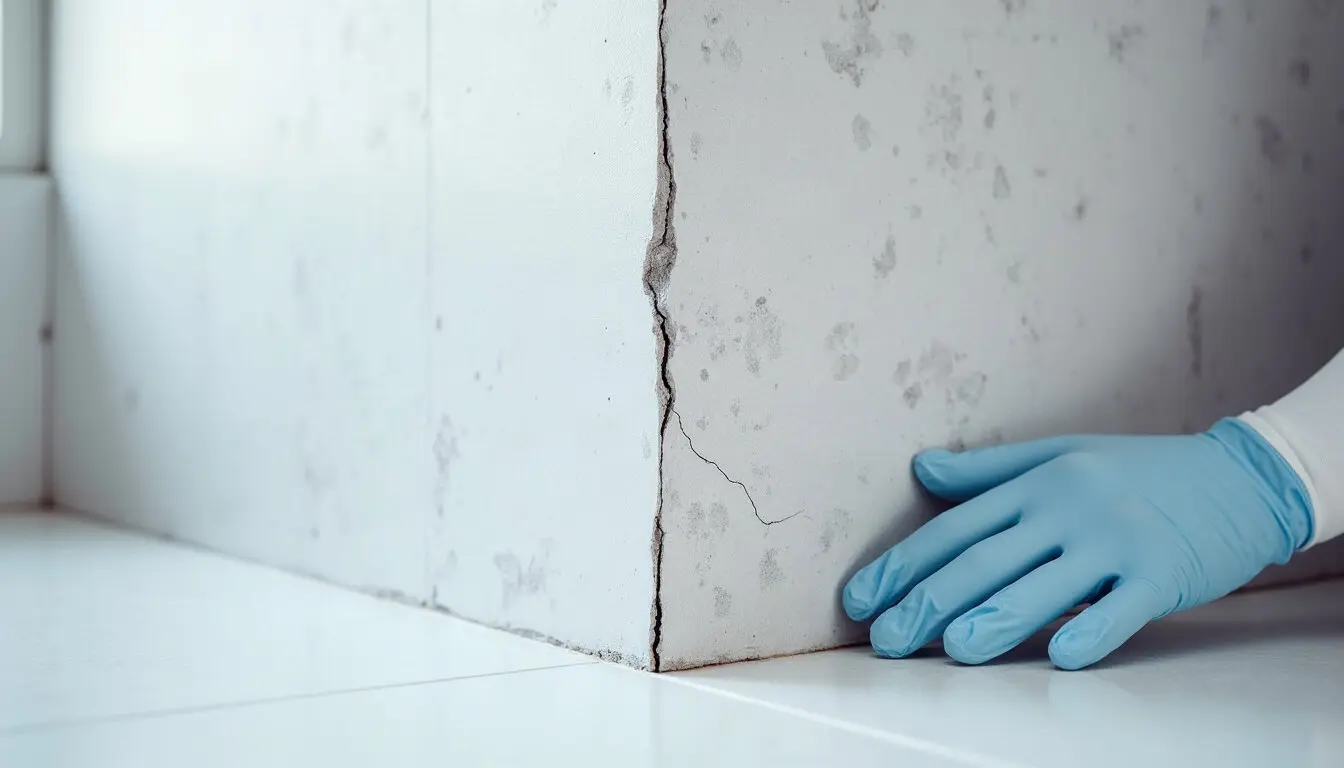
Open the crawl space hatch after a wet week and the smell reaches you before the flashlight does: earthy, a little sour, like a basement that has been shut for a season. Upstairs, a hairline crack has appeared above a door frame, and a closet near the outside wall has started to smell faintly of the same thing.
Those two observations are often connected. If a crack has you looking into foundation repair Nashville homeowners rely on, it helps to understand that a foundation is not only a structural question. It is also the boundary between your living space and the wet ground beneath it, and what gets through that boundary affects the air you breathe.
Under the microscope: Soil holds water, and water always moves from wetter places to drier ones, through cracks, gaps and even porous concrete itself. When that moisture reaches a crawl space or basement, it raises the humidity of the air there, and damp air rises into the house through gaps in floors and walls. Mold spores and dust mites are everywhere already; what they need to thrive is sustained moisture, and a leaky foundation supplies it.
The ground under a house is a moisture reservoir
I came to this topic from an odd angle. As an analyst, I spent years looking at how companies priced risk, and the costliest risks were usually the slow ones that nobody wanted to pay to fix early. Foundation moisture fits that pattern.
Soil around a house soaks up rain, and in much of Middle Tennessee, with its humid summers and wet springs, there is plenty of it. Many soils in the region also contain clay, which swells when it gets wet and shrinks as it dries. That repeated movement presses on foundation walls and can open or widen cracks over time. Poor drainage makes it worse: gutters that spill next to the wall, or ground that slopes toward the house instead of away from it, send water straight to the place you least want it.
None of this means every crack is a crisis. Concrete shrinks as it cures, and fine hairline cracks are common in sound foundations. The question a professional asks is whether a crack is moving, letting water in, or showing signs of a larger structural shift.
Damp crawl spaces feed mold and dust mites
Once water finds a way in, biology takes over. Mold is a fungus that grows as a network of fine threads and releases spores into the air. It feeds on organic material such as wood framing, paper on drywall and dust, and it needs moisture to grow. Remove the moisture and growth stops, which is why health agencies advise controlling dampness rather than only scrubbing visible mold.
Dust mites, tiny relatives of spiders that live in household dust and bedding, depend on humidity in a different way: they absorb water from the air rather than drinking it. Dry air shrinks their numbers; damp air keeps them comfortable. Their droppings are a well established allergy and asthma trigger.
Air in a house tends to move upward, a pattern sometimes called the stack effect: warm air rises and leaves through the upper floors and attic, and replacement air is drawn in low down, often from the crawl space or basement. So the damp, spore-laden air under the floor does not stay there. It becomes part of what you breathe in the living room and bedrooms.
You can often notice the pattern yourself without any equipment. The musty smell is strongest in rooms closest to the ground, in closets on outside walls, and after a stretch of rain. Wooden furniture or stored boxes in a basement may feel cool and slightly damp to the touch. Window glass on the lowest floor may fog more readily than glass upstairs. None of these signs proves where the water is coming from, but together they are a good reason to have someone look below the floor.
Cracks can also let in soil gas
There is a second reason foundation gaps matter for health. Radon is a radioactive gas that forms naturally in soil and rock. It has no smell or color, and it enters homes through the same cracks and openings that let in moisture. Long-term exposure is a recognized cause of lung cancer, and agencies such as the EPA advise that homes be tested, because levels vary from house to house even on the same street.
Testing is the only way to know. Simple test kits are widely available, and a positive result is a job for a qualified radon mitigation professional. Sealing foundation cracks is often part of reducing soil gas, though on its own it is rarely the whole answer.
What the evidence supports, and what it does not
Foundation and basement work attracts confident promises, so it is worth sorting the claims by how well they hold up.
Well established:
- Persistent dampness indoors is linked to more respiratory symptoms, and controlling moisture is the core of mold prevention.
- Dust mites thrive in humid conditions and decline in drier ones.
- Radon can enter through foundation openings, and testing is the only way to know a home's level.
- Water management outside the house, through gutters, downspouts and grading, reduces the water pressing on foundation walls.
Plausible, but depends on the house:
- Crawl space encapsulation, sealing the ground and walls with a vapor barrier, can lower humidity under the house. How much it helps depends on drainage, ventilation and the condition of the structure.
- A dehumidifier in a basement or crawl space can help, as long as the source of the water is also addressed.
More marketing than science:
- Sprays or coatings sold as permanent "waterproofing" for a cracked wall, applied without dealing with drainage or structural movement.
- Claims that a single product "eliminates" mold or allergens from the whole house.
- Air purifiers presented as a fix for a wet foundation. They can filter particles, but they do nothing about where the moisture comes from.
Weighing the cost of waiting
Here is the trade-off as I would frame it for any client. Repairing a foundation costs money now, and it can feel like spending on something you cannot see. Waiting costs money later, and usually more, because water damage compounds. Wet framing weakens, mold spreads behind finished surfaces, and cracks that move tend to keep moving.
Structural repair is firmly a job for licensed professionals. Diagnosing whether a wall is shifting, whether footings are settling, and what kind of repair suits the soil and the building takes training, equipment and, often, a permit from the local building department. A homeowner's part is to notice and report the signs:
- cracks that widen, run diagonally, or are wider at one end
- doors and windows that start sticking where they did not before
- damp patches, white mineral deposits or a persistent musty smell low in the house
- standing water in a crawl space after rain
A good contractor will explain what they see, what caused it, and why they recommend a particular fix, rather than offering a single standard package.
It also helps to keep your own record. Photograph a crack when you first notice it, with something in the frame for scale, and take another picture a few months later from the same spot. A dated series of photos gives a professional far more to work with than a memory of "it seems bigger", and it turns a vague worry into a question that can actually be answered.
Questions to ask a professional
- Is this crack structural, and how can you tell whether it is still moving?
- Where is the water coming from, and does your plan deal with drainage as well as the crack itself?
- Will the repair affect humidity in the crawl space or basement, and should we add moisture control?
- Do we need a permit from the local building department for this work?
- Should we test for radon before or after the repair?
A dry, sound foundation is one of the few home repairs that protects the structure and the air inside it at the same time.
This explainer is general information, not medical advice. Decisions about treatment, donation or trials belong with a clinician who knows your history.