How labs check a batch of cells: counts, viability, purity and potency
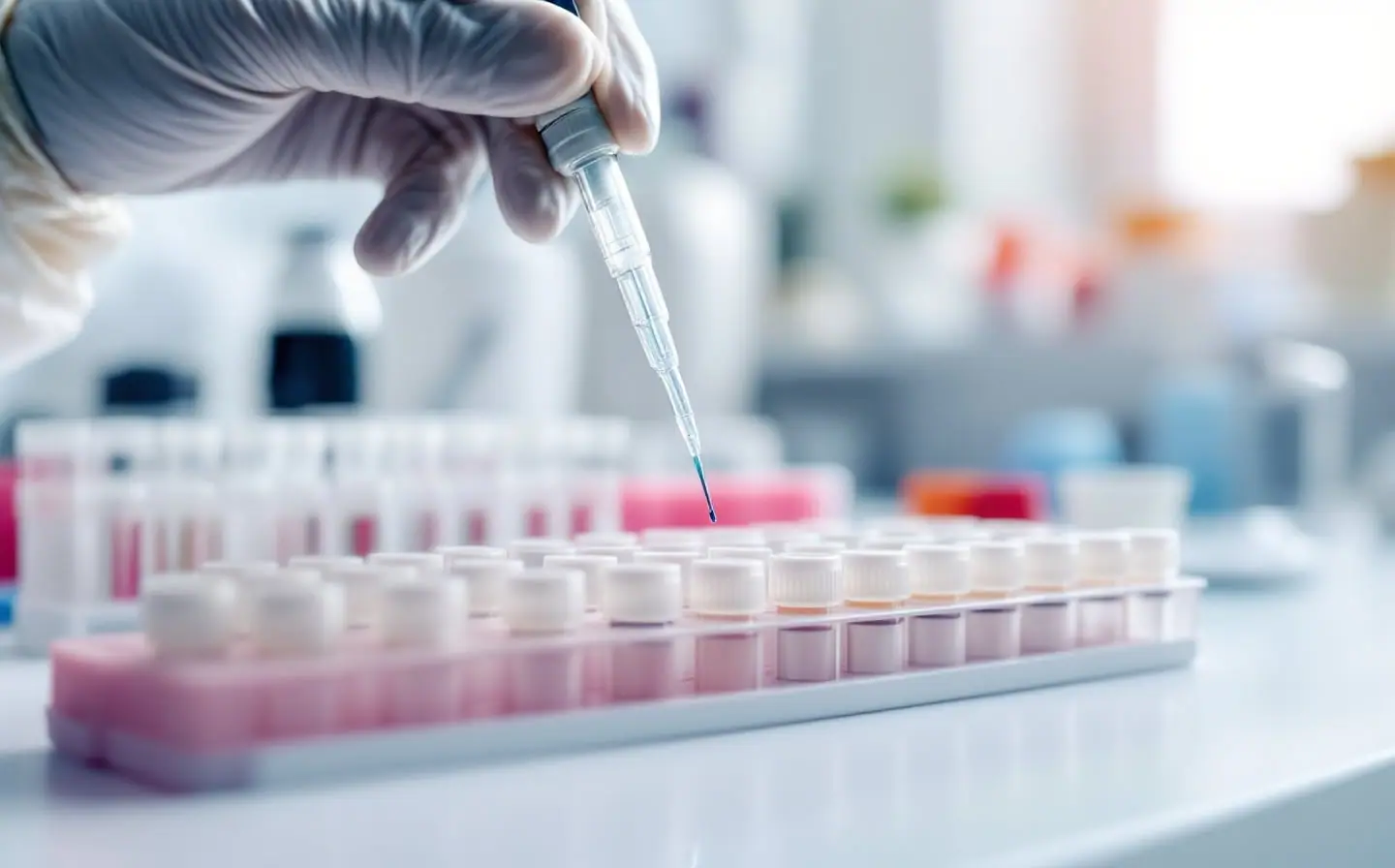
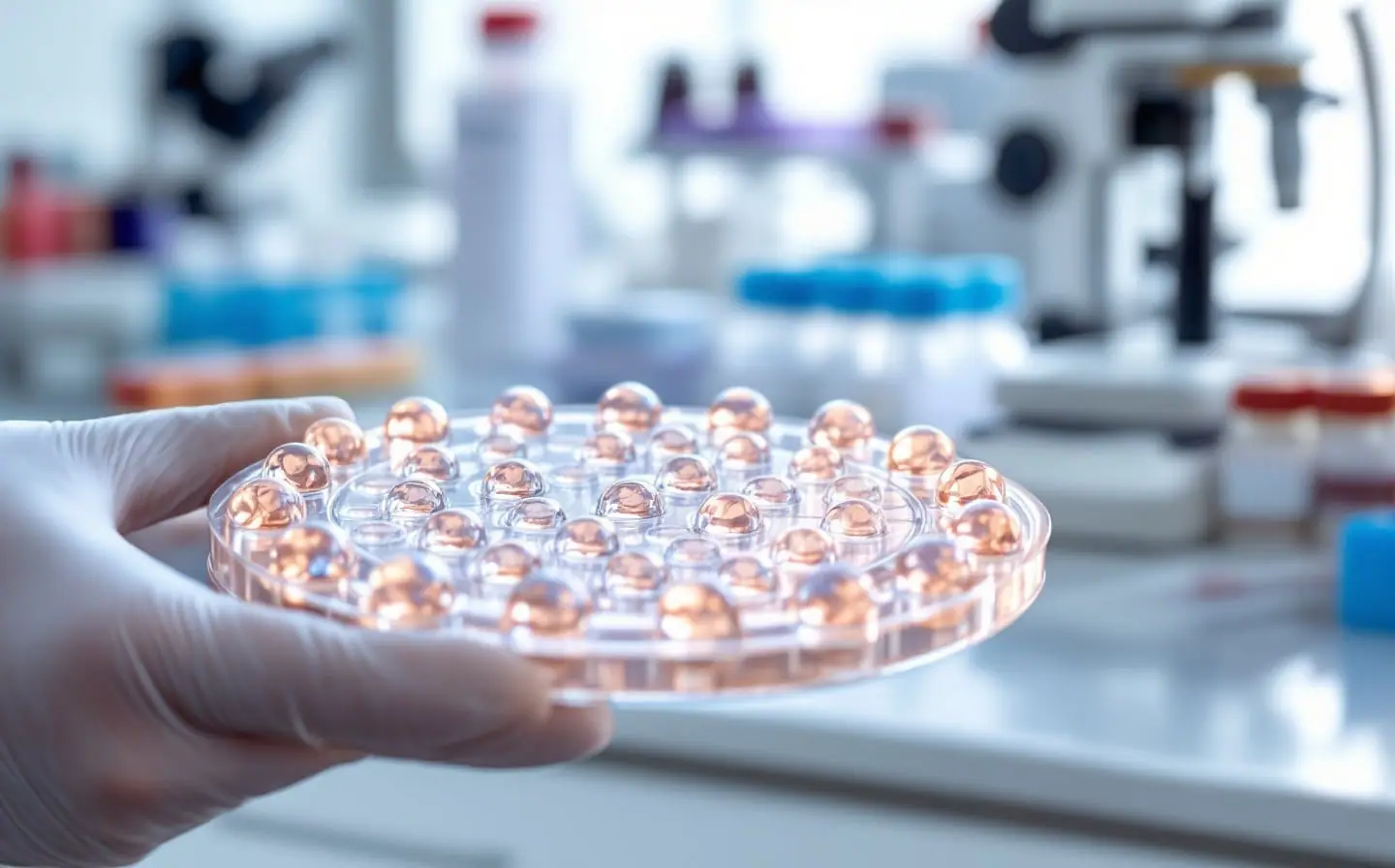
Before a cell therapy batch is released, labs ask how many cells, how many alive, which kind, how clean and whether they work. The last one is hardest.
How biological medicines and cell therapies are made, tested and approved, explained step by step.
Before a cell therapy batch is released, labs ask how many cells, how many alive, which kind, how clean and whether they work. The last one is hardest.
How to choose centrifuge tubes: sizes from 0.2 to 50 mL, polypropylene or polystyrene, caps, RCF ratings, balancing and a worked cell pellet example.
Gene therapies change genetic instructions; cell therapies deliver living cells. How to tell them apart, and why CAR-T counts as both.
What aseptic technique is, how it differs from sterile, and the step-by-step routine for handling cultures in microbiology without contaminating them.
Every part of a compound microscope labeled and explained, how to focus from 4x to oil immersion, a wet mount to try, and advice on microscopes for kids.
mRNA carries a gene's instructions to the ribosome. A part by part tour of its structure, what it does, and how it compares with tRNA and rRNA.
Molarity counts per liter of solution, molality per kilogram of solvent, and the osmo pair counts particles. How they differ, with worked numbers.
How to set, fill and empty an adjustable micropipette, which tips to use, when a serological pipette is better, and a balance check for accuracy.
What CAR-T cell therapy is, what happens from cell collection to infusion and recovery, its main side effects, costs, and where trials are heading next.
What organoids are, how they are grown, what gut, brain, kidney and tumor organoids are used for, where they fall short and how the rules are changing.
A pill comes off a production line by the million. Many cell therapies are made one patient at a time. Here is every step from collection to infusion.