
Why wood floors gap in winter, explained
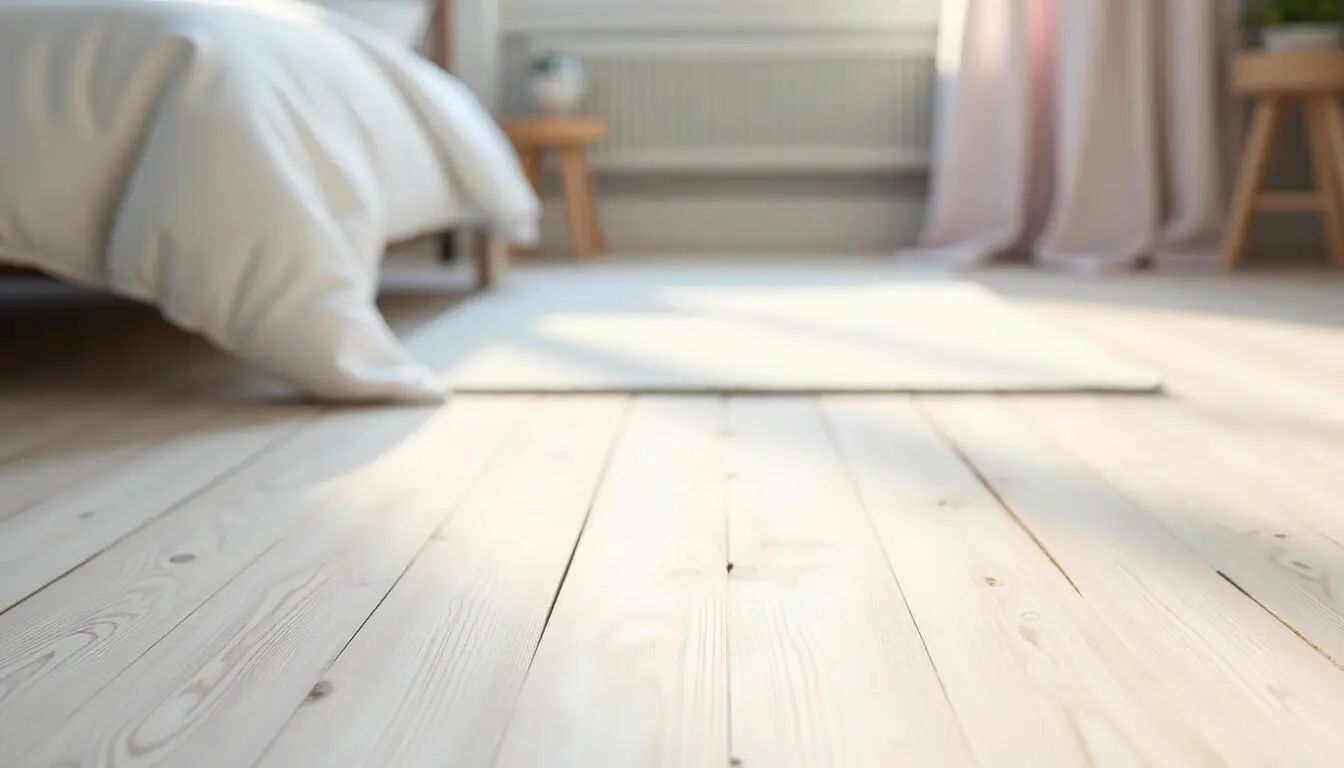
Walk across an older wood floor in the middle of winter and you may see thin dark lines between the boards that were not there in August. Come summer, the gaps close again, and in a damp spell a board may even rise slightly at its edges, a shape called cupping.
Why does a floor that looks solid behave as if it were breathing? The short answer is that wood is still a biological material long after the tree is gone. Planning Denver flooring installation is easier when you understand that, because the dry Colorado air shapes how any wood or wood-based floor settles into a home.
Under the microscope: Wood is built from cells whose walls are made mostly of cellulose, long chains of sugar molecules bundled into fibers. Those chains are covered in chemical groups that attract water, so the cell walls soak up moisture from humid air and give it back to dry air. As water slips in between the fibers, the walls swell, mostly across the width of a board rather than along its length. When the air dries, the water leaves and the walls shrink again.
A floorboard is a bundle of old cell walls
Under a microscope, a thin slice of wood looks like a honeycomb. Each cell in a living tree carried water or gave the trunk strength. When the tree is cut and the wood is dried, the cells empty out, but the walls stay. That leftover structure is what you are standing on.
At the scale of a single cell, a floorboard is a city of hollow tubes, all pointing the same way along the grain. This is why wood is strong along its length and moves so little in that direction, yet changes noticeably in width. The fibers act a bit like a bundle of drinking straws: wet the walls and each straw fattens, but none of them grows much longer.
I spent years growing cells in dishes, where the smallest change in moisture or temperature showed up in how they behaved. Wood is different, since its cells are no longer alive, but the walls keep a kind of memory of the water they once carried. They respond to the air around them for as long as the floor exists.
The air in your house sets the moisture in the wood
Wood always drifts toward a balance with the air around it. Materials scientists call this the equilibrium moisture content: the amount of water wood holds once it has settled into a steady room. Humid air pushes that point up; dry air pulls it down.
Two things make this especially noticeable along the Front Range. The climate is dry for much of the year, and winter heating dries indoor air further, because warm air can hold much more water than the cold air it replaced. A floor installed in one season can therefore find itself in quite different air a few months later.
That is the whole story behind the gaps in winter and the tight joints in summer. Nothing is wrong with the boards. They are doing what cellulose does.
The change is also slow. Wood takes up and releases water gradually, from the surface inward, so a floor tends to follow the season rather than a single humid afternoon. What the research on homes has not pinned down is exactly how fast any one floor responds, because species, thickness, finish and the room itself all play a part.
Acclimation is about letting materials meet the room
Because wood responds to the air, installers often talk about acclimation: letting flooring settle toward the conditions of the room before it goes down. The idea is simple. If the boards arrive holding much more or much less water than the house, they will keep moving after installation, and that movement can open gaps, lift edges or stress the joints.
How long acclimation takes, and whether a given product needs it, depends on the material and the manufacturer's instructions. A good installer checks the moisture of both the flooring and the subfloor (the structural layer beneath it) before starting, rather than guessing. You can help by keeping the house at roughly the temperature and humidity you will live with, rather than leaving it cold and closed up until the crew arrives.
Different floor types respond differently:
- Solid hardwood is a single piece of wood, so it moves the most with the seasons, and its finish and spacing matter a great deal.
- Engineered wood has a thin wood top layer bonded to layers set at angles to each other, which restrains much of the swelling and shrinking.
- Luxury vinyl plank, a layered plastic product printed to look like wood, does not take up water through cell walls the way wood does, though it can still expand and contract with temperature.
What the evidence says about floors and indoor health
Flooring decisions often come wrapped in health claims. Some are sound, some are less certain, and some are marketing. Here is how they sort out.
| Claim | What the evidence says | Confidence |
|---|---|---|
| Wood floors gap and close with the seasons because of humidity | Follows directly from how cellulose takes up and releases water | strong |
| Sanding old floors and finishes creates fine dust that should be contained and cleaned up | Widely accepted; dust control is standard guidance during renovation | strong |
| Fresh finishes and adhesives release fumes for a while after application, so ventilation helps | Consistent with how many coatings cure | strong |
| Hard floors suit people with dust allergies better than carpet | Plausible, since hard surfaces are easier to clean thoroughly, but the overall effect depends on cleaning habits | mixed |
| A particular floor "purifies" the air or "improves wellbeing" | Marketing language; no measured health effect to stand behind it | weak |
Two points from this table are worth adding. First, homes with old floors or finishes may contain materials that need special handling; if your house is older, ask about this before anyone sands or removes anything, and leave that work to professionals. Second, the "mixed" row is a reminder that a floor is only as clean as its upkeep. A hard floor that is never vacuumed or mopped can hold plenty of dust in its corners and seams.
Living with a floor that moves
Once a floor is in, a few habits help it stay comfortable through the seasons:
- Watch the windows in winter. Water beading on the inside of the glass every morning suggests indoor air is quite damp for the season, which matters for both the floor and mold around the frames.
- Clean up spills promptly. Standing water soaks into seams and edges, where wood swells unevenly.
- Use a damp mop, not a wet one, and follow the finish manufacturer's cleaning advice.
- Add felt pads under furniture legs to spare the finish from scratches that let moisture in.
- Expect some seasonal gaps in solid wood. Small, even lines in winter that close in summer are normal behavior, not a defect.
If gaps are large and uneven, boards lift sharply or a section feels soft underfoot, that is a sign to call someone. The cause may be moisture coming from below, a leak, or a problem with the subfloor, and those are questions for a professional to diagnose.
Questions to ask a professional
Before work begins, these questions help you understand how your new floor will handle your home's air:
- How will you check the moisture of the flooring and the subfloor before installation, and what result would make you wait?
- Does this product need acclimation in my house, and for how long?
- How much seasonal movement should I expect from this material in a dry climate like ours?
- How will you control dust during sanding or removal, and how long should we ventilate after the finish goes on?
- Could my older house have materials under the current floor that need special handling?
A floor made of old cell walls will always answer to the air above it, so the best installation is the one planned with that air in mind.
This explainer is general information, not medical advice. Decisions about treatment, donation or trials belong with a clinician who knows your history.