
Mice in the house are just a nuisance: what the evidence supports
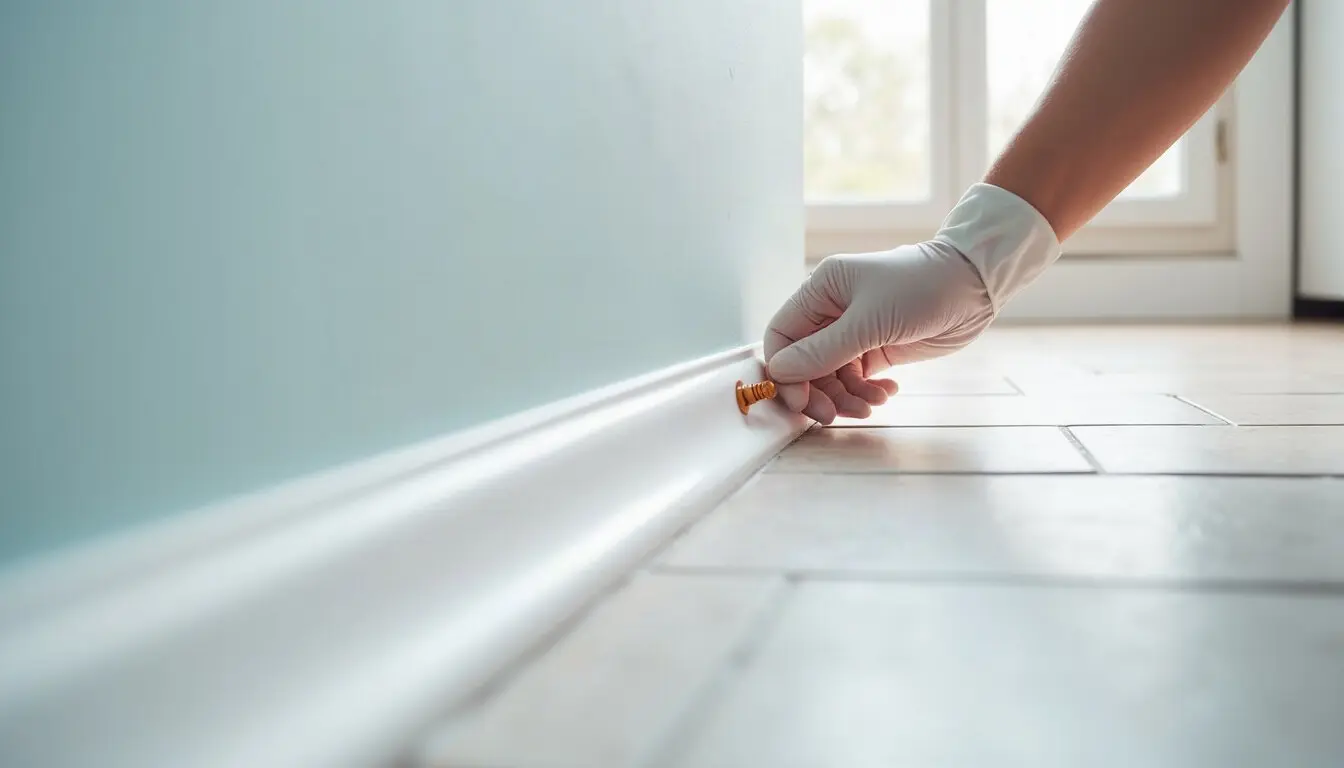
You hear it first at night: a light scratching above the ceiling, gone by morning. Then come a few dark droppings at the back of a cabinet and a chewed corner on a bag of rice. Most people file this under nuisance, something a couple of traps will settle over a weekend.
The more useful question is what a rodent problem actually costs a household, in health terms and in money, and which fixes hold up. A local company such as Rodent Retreat can inspect a house and handle removal, but the decision is easier to make once you understand the biology behind it.
Under the microscope: Mice and rats leave a steady trail of urine, droppings, saliva and shed fur, and that residue carries proteins the human immune system can treat as allergens, much as it treats dust mite or pet allergens. As the residue dries, it breaks into fine particles that settle into household dust and rise back into the air whenever the dust is disturbed. The same material can carry bacteria and viruses, which is why how you clean up matters as much as how the animals leave.
Rodent allergens are a real indoor exposure
I spent years reading how companies justify the cost of a product, and the first thing I learned was to ask what problem it solves that people already pay for. With rodents, the overlooked cost is airborne. Mouse allergen is well documented in house dust, and allergy researchers have long treated it as one of the common indoor triggers, alongside dust mites, cockroaches and pet dander.
What makes it stubborn is where it collects. Mice travel along walls and behind appliances, so their residue builds up in places you rarely clean: under the stove, inside the cabinet toe kick, along attic insulation. When someone in the house has allergies or asthma, a hidden population can keep symptoms going even when the visible rooms look spotless. Removing the animals stops new residue from forming, but the old residue stays until it is cleaned out properly.
This does not mean every mouse sighting is a health emergency. For most healthy adults, a brief problem that is dealt with quickly is mainly a hygiene and property issue. The calculation changes with how long the animals have been there, how many there are, and who lives in the house. Young children, older relatives and anyone with asthma deserve more caution, and anyone with breathing symptoms should talk to a doctor rather than guess at the cause.
Droppings carry germs, so cleanup is its own job
Rodents can carry bacteria such as salmonella and the bacteria behind leptospirosis, and some wild species carry viruses, including hantavirus, that can make people seriously ill. Infection is uncommon, but the main route is simple: breathing in dust stirred up from dried droppings and nesting material, or touching contaminated surfaces and then your mouth.
That is why public health agencies, including the CDC, advise against sweeping or vacuuming droppings dry. Their general guidance is to air out the space, wear gloves, wet the droppings and nesting material with a disinfectant, wait for it to soak in, and then wipe it up and bag it. A broom turns a contained mess into an aerosol, which is the opposite of what you want.
Large infestations, nests in attics or crawl spaces, and contaminated insulation are a different scale of problem. Those are jobs for professionals who have the protective equipment and the training to do them without spreading the material through the house.
Traps treat the symptom, sealing treats the cause
Here is where the business logic gets interesting. Trapping is cheap, quick and satisfying, and it does reduce the number of animals. But a house with open entry points is a vacancy sign. Remove one family and another can move in, especially when hot summers or cold snaps push animals toward shelter, water and food. North Texas has both long, hot summers and the occasional hard freeze, and either can send rodents looking for cover.
Exclusion, the trade term for finding and sealing the gaps rodents use, changes that equation. A mouse can squeeze through an opening far smaller than most homeowners expect, so the work involves looking closely at:
- gaps where pipes, cables and vents pass through walls
- the space under garage and exterior doors
- roof lines, soffits and attic vents
- foundation cracks and openings around air conditioning lines
The general consensus among pest professionals is that lasting control combines three steps: removal, exclusion and sanitation. Removal deals with the animals already inside, exclusion stops new ones, and sanitation removes both the residue and the food sources that drew them in. Skip any one of the three and you are likely to pay for the problem again.
Sorting the claims by strength of evidence
Rodent control is full of products that promise a quick fix, so it helps to grade the common claims.
| Claim | What the evidence says | Confidence |
|---|---|---|
| Rodent residue can trigger allergies and asthma | Well documented in allergy research and public health guidance | strong |
| Sealing entry points reduces repeat problems | Consistent with how rodents behave and with professional practice | strong |
| Dry sweeping droppings is safe | Health agencies advise against it because it raises contaminated dust | strong (that it is unsafe) |
| Poison bait alone solves the problem | Animals can die inside walls, and pets or wildlife can be exposed; it does nothing about entry points | weak |
| Plug-in ultrasonic repellers keep rodents out | Results in controlled tests have been inconsistent, and animals often get used to the sound | weak |
| Peppermint oil or mothballs drive rodents away | Little good evidence, and mothball fumes are a health concern in living spaces | weak |
The pattern is familiar from any product category. The claims with the strongest support are the least exciting ones: find the gaps, close them, clean carefully. The claims with the weakest support tend to come with the most confident packaging. When a product promises results without anyone ever looking at how the animals get in, treat that as a reason for doubt rather than a selling point.
The cost of waiting is usually a bigger job
Analysts like to talk about the cost of delay, and it applies neatly here. Rodents breed quickly, and every week a population stays in the walls adds more residue, more chewed insulation and more risk to wiring, since gnawing on cables is a known cause of electrical damage. A small problem handled early is mostly a matter of removal and a few repairs. The same problem left for a season can mean replacing contaminated insulation, cleaning large areas and fixing damage that is harder to find.
There is also a trade-off on the other side. Not every noise in the attic is a rodent, and not every inspection needs to end in a long treatment plan. A careful professional should be able to show you the evidence they found, such as droppings, gnaw marks, rub marks along walls or entry gaps, and explain why they recommend what they recommend. That transparency is worth more than any single product.
If you are comparing options, think in terms of total cost over time rather than the first invoice. A plan that includes exclusion and follow-up may cost more up front than a box of traps, but it is buying a different outcome: fewer repeat visits, less cleanup and less exposure for the people who live there.
Questions to ask a professional
- What signs of activity did you find, and where are the animals getting in?
- Does your plan include sealing entry points, or only removal?
- How will droppings, nests and any contaminated insulation be cleaned up, and what precautions do you take?
- If you use bait, how do you keep children, pets and wildlife away from it?
- What follow-up visits are included, and how will we know the problem is solved?
The cheapest rodent problem is the one where every gap is closed before the next family of mice comes looking for a warm place to stay.
This explainer is general information, not medical advice. Decisions about treatment, donation or trials belong with a clinician who knows your history.