
Why evening light keeps you awake, explained
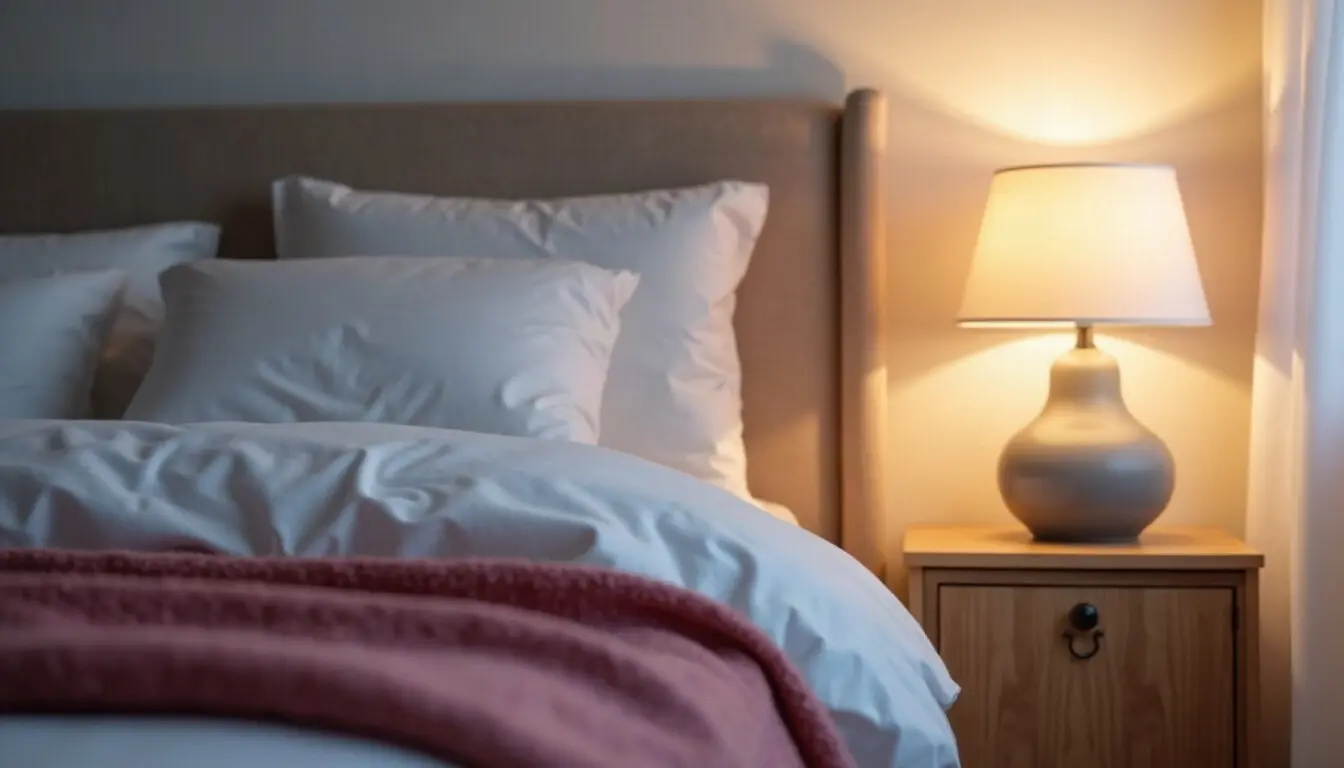
It is late, the kitchen ceiling lights are still on at full brightness, and you feel oddly alert for the hour. Then you move to a bedroom lit by a single warm lamp and, within half an hour, you are yawning. The difference is not only in your head. The light in a room sends a signal to the body about what time it is.
So how much does home lighting really affect sleep, and which changes are worth paying for? When someone types DR Electric CO into a search box, they are usually looking at lighting installation, but before you choose fixtures it helps to know what the science of light and the body clock actually supports.
Under the microscope: The retina contains a small set of light-sensing cells that do not help you see. They carry a pigment called melanopsin that is most sensitive to blue light, and they report overall brightness to the brain's master clock, a cluster of cells above where the optic nerves cross. When those cells signal bright, blue-rich light in the evening, the clock delays the release of melatonin, the hormone that tells the body night has arrived.
Your body clock reads the light in every room
Every cell in the body runs on a roughly daily rhythm, and the master clock in the brain keeps them in step. Light is the strongest signal that sets it. Morning light pulls the clock earlier; evening light pushes it later.
For most of human history, evenings were lit by fire, which is dim and orange. Modern rooms can be bright and blue-white at any hour. That is a real change in the signal the clock receives, and sleep researchers broadly agree that bright light late in the evening can make it harder to fall asleep and can shift sleep later.
Two features of light matter most. The first is brightness: more light at the eye means a stronger signal. The second is color: light with more blue in it has a larger effect on the clock than warmer light of the same brightness. Bulbs are often described by color temperature, where lower values look warm and amber and higher values look cool and blue-white.
Timing and contrast matter as well. The clock responds to the difference between day and night, so a home that is dim all day and bright all evening sends a muddled signal. People who spend most of the day indoors get far less light than they would outside, even on a cloudy day, which makes the evening light they do get relatively more influential. Children and teenagers appear to be especially sensitive to evening light, which is one reason sleep specialists often suggest calmer, dimmer evenings for the whole household.
Screens get the blame, but room lighting matters too
During my years reading company filings, I watched plenty of products built on a single, simple villain. Blue light from phones became one of those villains. The real picture is more interesting.
Screens do emit blue-rich light, and using them late at night can delay sleep. But a lot of that effect may come from what you are doing, such as reading messages or watching something gripping, rather than from the light alone. Phones are also small and fairly dim compared with a fully lit room. Overhead lighting that floods a kitchen or living room in cool white light can deliver more total light to your eyes than the phone in your hand.
That shifts the decision. Night mode on a phone is free and harmless, so there is no reason not to use it. But if your evenings are spent under bright, cool ceiling lights, the room itself may be a bigger lever.
Sorting the claims by strength of evidence
Lighting is full of health claims, so here is how the common ones stack up.
| Claim | What the evidence says | Confidence |
|---|---|---|
| Bright light in the evening can delay sleep | Consistent finding in sleep and circadian research | strong |
| Morning daylight helps keep the body clock on time | Widely accepted in sleep science | strong |
| Warmer, dimmer evening lighting is gentler on the clock than bright cool light | Fits what is known about melanopsin and brightness | strong |
| Phone night modes alone fix sleep problems | Small effect at best; habits and room lighting matter more | weak |
| Blue-blocking glasses improve sleep for most people | Results have been mixed and the benefit for healthy adults is unclear | mixed |
| "Circadian" smart bulbs are necessary for good sleep | Adjustable bulbs can help, but ordinary dimmable warm lights achieve much of the same | mixed |
| Blue light from screens damages your eyes | Not shown for normal screen use; eye-care groups have generally said so | weak |
The pattern is the same one I saw in biotech: the cheapest, best supported changes get the least marketing. Dim the lights after dark, use warmer bulbs where you spend your evenings, and get outside in the morning.
Designing a home around the clock
You do not need a lab to apply this. A few principles cover most of it:
- Bright, cool light where you need it during the day, such as the kitchen work area and a home office.
- Warmer, lower light in bedrooms, living areas and hallways you walk through at night.
- Dimmers, so one room can serve both purposes.
- Several light sources at different heights, such as lamps, under-cabinet lights and wall fixtures, rather than one bright ceiling light that is either on or off.
- A dim, warm night light for bathroom trips, so you are not hit with full brightness at three in the morning.
Daylight deserves a place in the plan too. In a sunny place like Colorado Springs, morning light is easy to come by. Opening blinds early or eating breakfast near a window is a free way to give your clock a strong daytime signal.
Light from outside can work against you at night, too. A bright porch or security light that shines into a bedroom window, or a streetlight leaking around the curtains, keeps the room lighter than it needs to be. Heavier curtains help, and so does aiming outdoor fixtures down toward the ground where the light is actually needed.
Weighing what to spend on
Here is how I would frame the decision. Swapping bulbs in table lamps is cheap and easy, and it is something you can do yourself. Adding dimmers, installing under-cabinet lighting, moving fixtures or putting in new circuits is electrical work, and that belongs with a licensed electrician. It involves wiring, load and code questions, and often a permit, and a mistake carries a real risk of fire or shock. The cost of hiring a professional is part of the price of the change, not an optional extra.
The return on that spending is not something anyone can put a number on for you. Better lighting will not cure insomnia, and anyone with ongoing sleep problems should talk to a doctor, because poor sleep has many causes. What good lighting can do is remove one avoidable signal that works against you every evening, and make the rooms more comfortable to live in at the same time.
A sensible order is to start with the free changes, notice what difference they make, and then decide where installed lighting would help most. Many people find the bedroom and the main evening living space are where it counts.
Questions to ask a professional
- Which of our existing fixtures can take dimmers, and which bulbs work well with them?
- Can we get warm light in the evening rooms and brighter task light in the kitchen without rewiring the whole house?
- Would layered lighting, such as wall fixtures or under-cabinet lights, work in our rooms?
- Does the work need a permit, and will you handle the inspection?
- What bulb color temperatures would you suggest for bedrooms versus work areas?
A house lit with the body clock in mind lets the evening feel like evening, and that is the simplest signal you can give yourself before bed.
This explainer is general information, not medical advice. Decisions about treatment, donation or trials belong with a clinician who knows your history.